Camping Equipments
Shop Now
Versatility defines the best packs for travelers who split their time between backcountry trips and casual weekend outings. Convertible designs with removable daypacks or stowable harnesses adapt easily to shorter hikes, summit pushes, or city excursions. Lightweight constructions appeal to ultralight enthusiasts counting every gram, while larger volumes suit families or groups carrying shared shelters and cooking setups. Whatever the destination, a thoughtfully chosen backpacking bag quietly supports every step, turning ambitious routes into comfortable, memorable experiences outdoors.
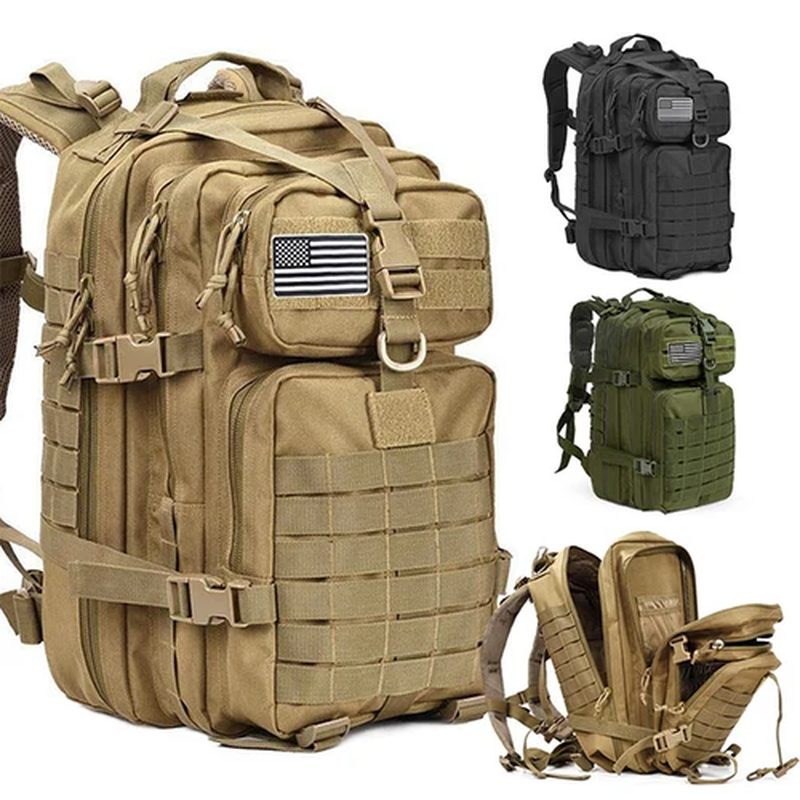
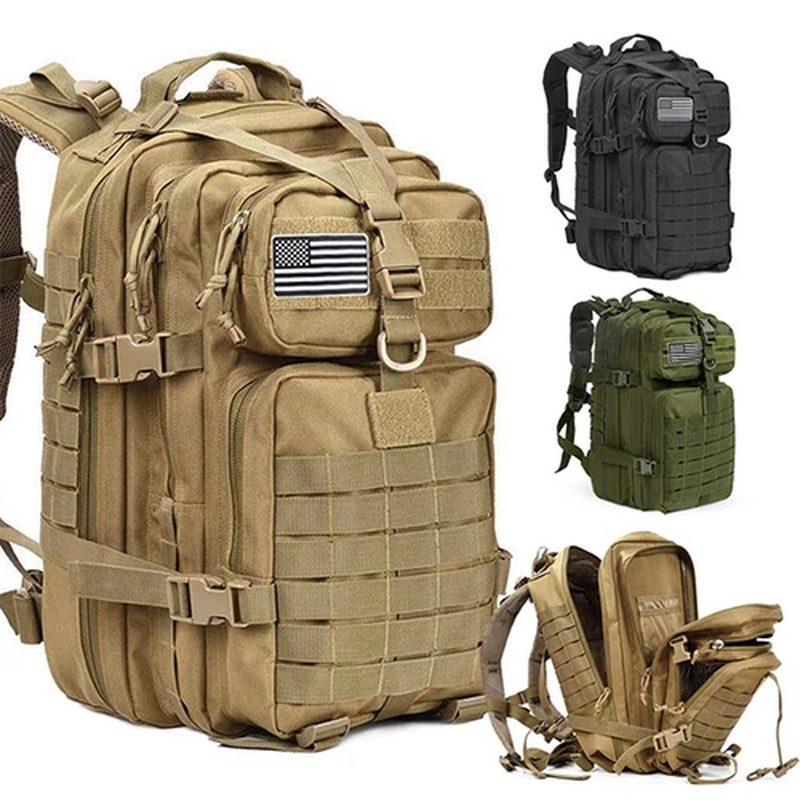
Modern backpacking bags blend durable, weather-resistant fabrics with ergonomic frames designed to distribute weight across the hips rather than the shoulders. Padded hip belts, ventilated back panels, and adjustable torso lengths help reduce fatigue on multi-day treks, while multiple compartments keep sleeping bags, cooking tools, and quick-access essentials neatly organized. Many packs also feature integrated rain covers, hydration sleeves, and external attachment points for trekking poles or sleeping pads, ensuring the bag is ready for unpredictable trail conditions from the first step.
Choosing the correct size is one of the most important steps in selecting a backpacking bag. Weekend trips usually require modest volumes, while extended journeys call for larger capacities that comfortably hold tents, sleeping systems, and extra layers. Adjustable suspension systems allow the same pack to grow with the user or accommodate heavier loads when conditions demand extra fuel, food, and warm clothing. A proper fit ensures stability on uneven terrain, helping the bag move with the body rather than against it.
Ultralight materials have transformed backpacking bags into remarkably efficient pieces of gear without sacrificing strength or comfort. Ripstop nylon and similar technical fabrics resist tears and abrasions while keeping overall weight low. Reinforced stress points, sturdy zippers, and bartacked stitching extend the lifespan of each pack, even under demanding use. For travelers who log long distances, shaving unnecessary grams translates directly into reduced fatigue and a more enjoyable journey across varied landscapes and changing weather conditions.
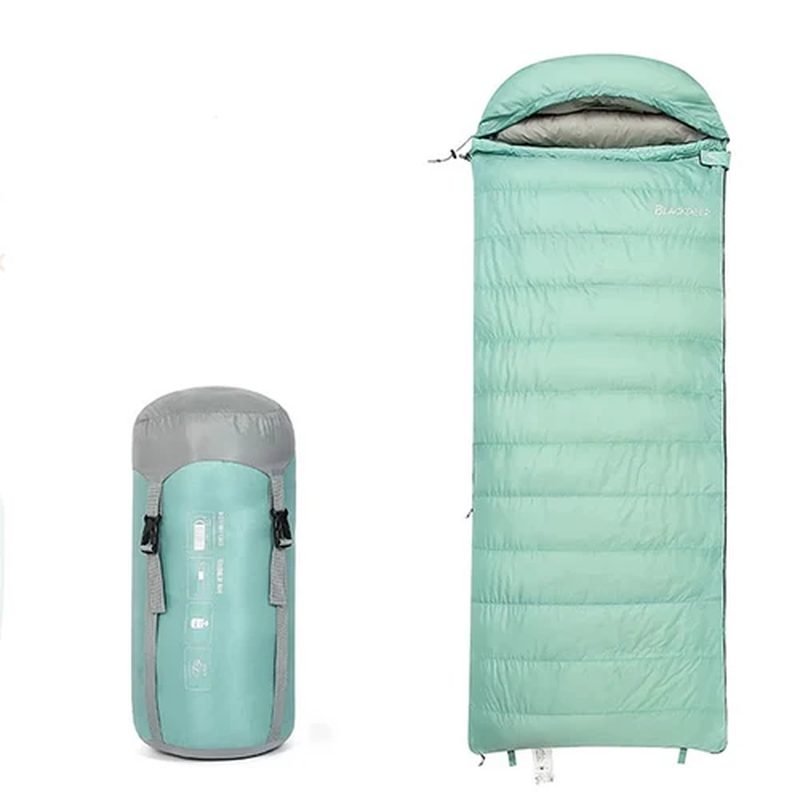
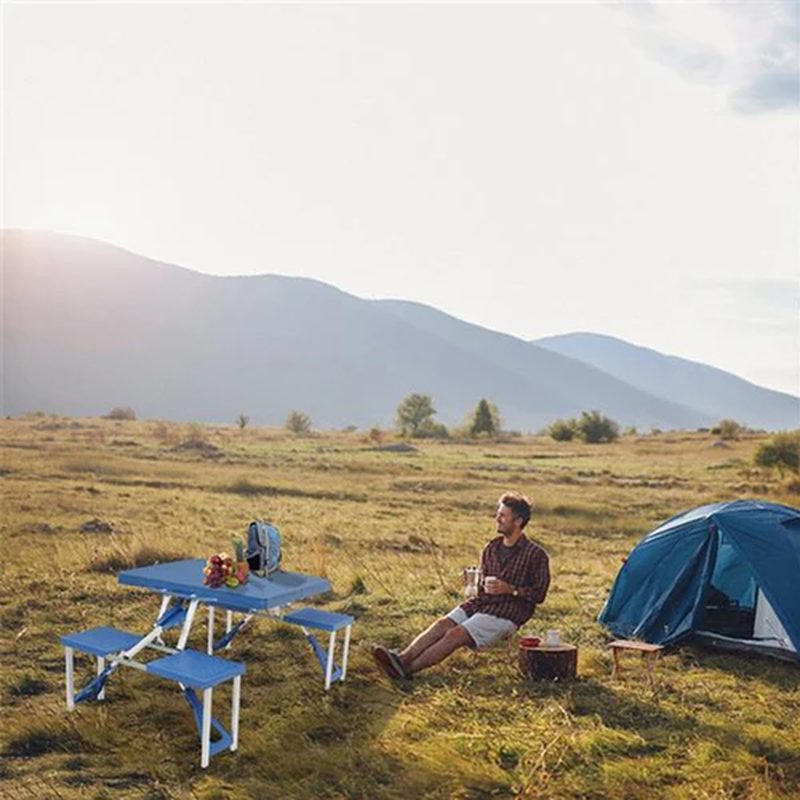
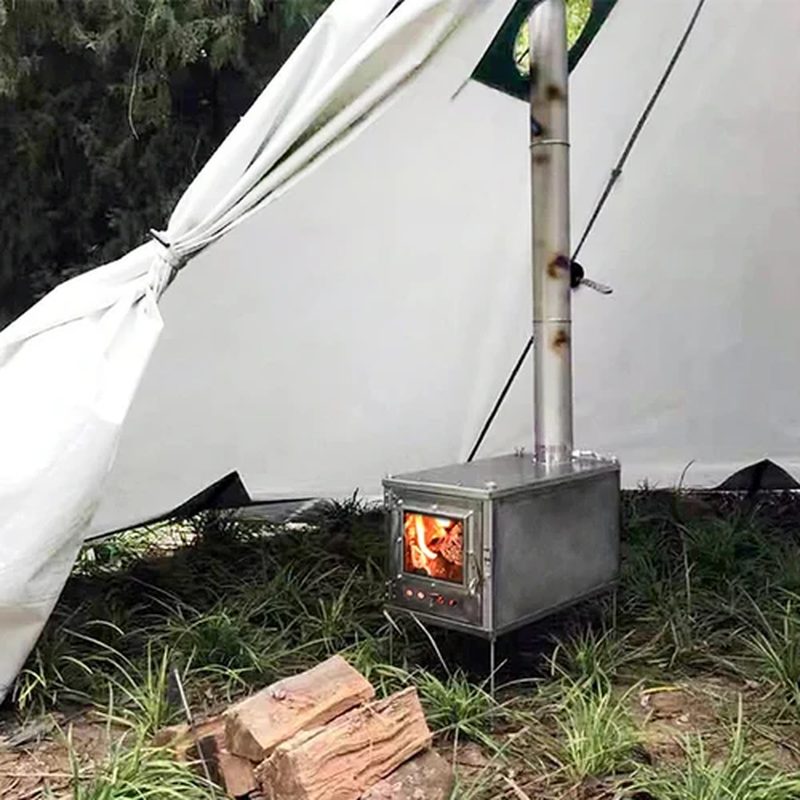
A well-organized backpacking bag extends beyond the pack itself, often pairing with complementary accessories that complete the outdoor experience. Waterproof stuff sacks protect clothing and electronics, while compression straps secure sleeping pads and tents. Many travelers also match their packs with portable stoves, hammocks, and folding chairs designed for camp relaxation. Together, these thoughtful additions create a cohesive setup that supports cooking, resting, and exploring, allowing adventurers to focus on the trail rather than the gear.